art / space & time / history / community
Tag: lafarineradelclot


See part 1 and part 2 of the series of exhibitions
“Us, interpreted by flowers,” is a series of exhibitions that invites you to explore your urban surroundings through historical narratives using flowers and plants as the central axis; they become a visual metaphor for the passage of time, and are used as a form of communication through floriography.
The series of exhibitions are held at three civic centres in a site-specific manner. In each location we research the site, its historical context, the people associated with it, and its relation to the development of the city of Barcelona.
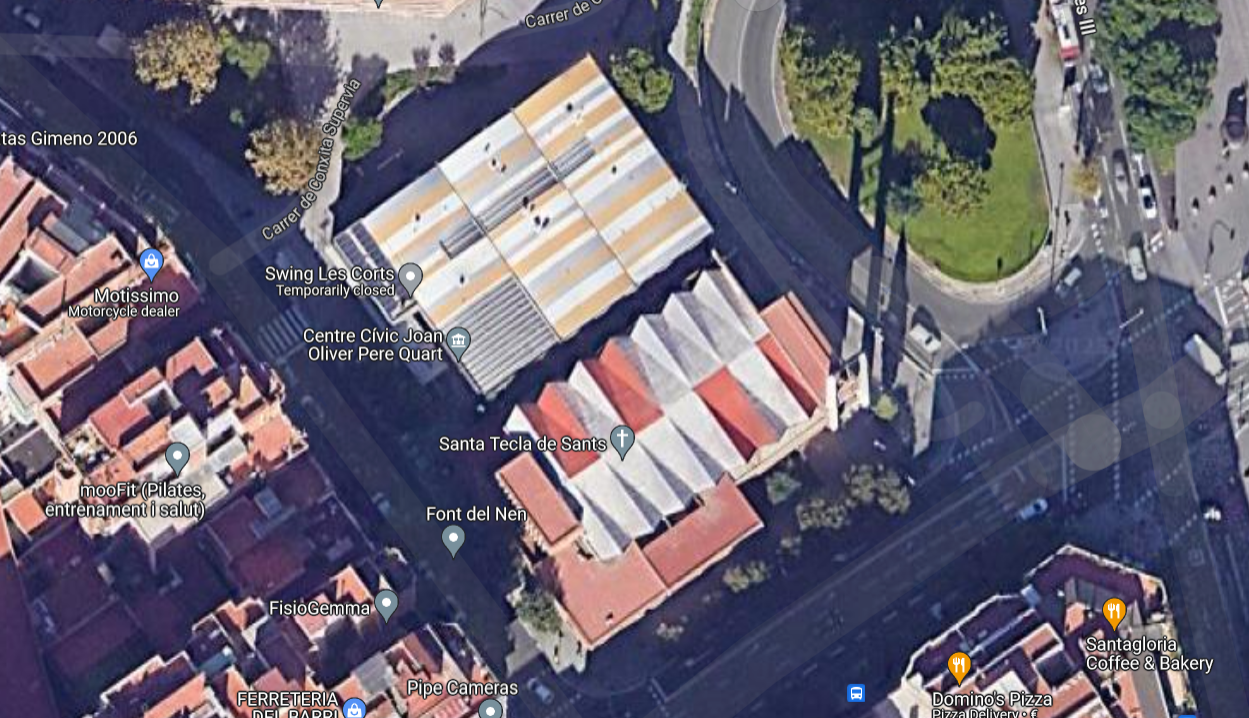

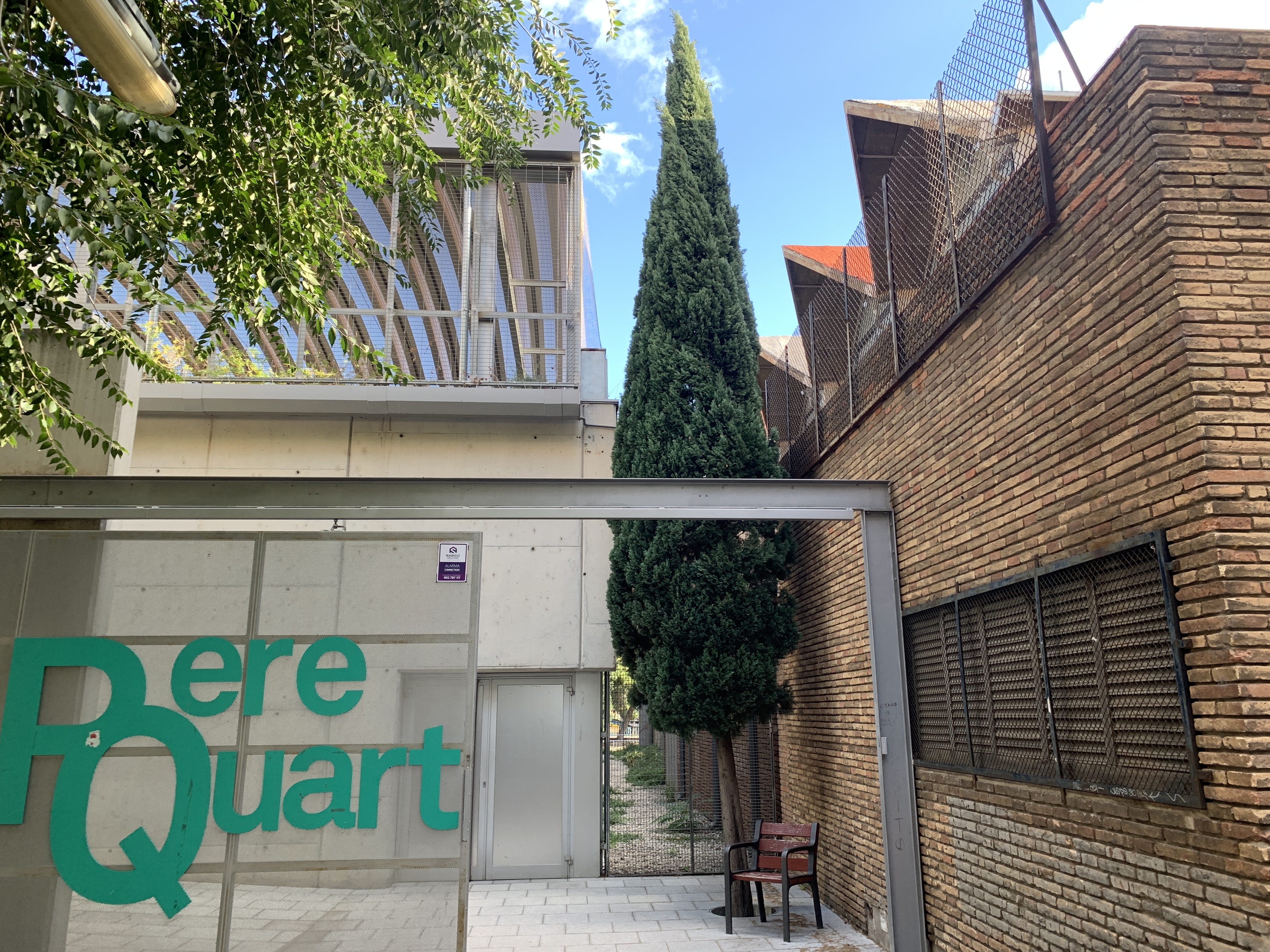
The Joan Oliver “Pere Quart” Civic Centre, inaugurated in 1999 with a forward-looking vision, is the starting point for this exhibition. It stands in contrast to the brutalist-style Santa Tecla church, designed by architect Josep Maria Soteras, creating a dichotomy between the past and the future, the sacred and the secular, the natural and the unnatural.
***
The Diomede Islands, separated by just 3.8 kilometers in the Bering Strait and belonging to Russia and the United States, are often called the “Island of Tomorrow” (Big Diomede) and the “Island of Yesterday” (Little Diomede) due to their time difference. The ongoing antagonism between the two countries can be linked in part to their different branches of Christianity, Roman Catholic and Eastern Orthodox, deeply rooted in political nationalism.
The enduring influence of religion on various aspects of human life, even within scientific research, is highlighted. Religion and ideology continue to shape our narratives, as reflected in the case of the Diomedes Islands and the unique space-time narratives explored by artists Katerina Ashche and Agustín Ortiz Herrera.
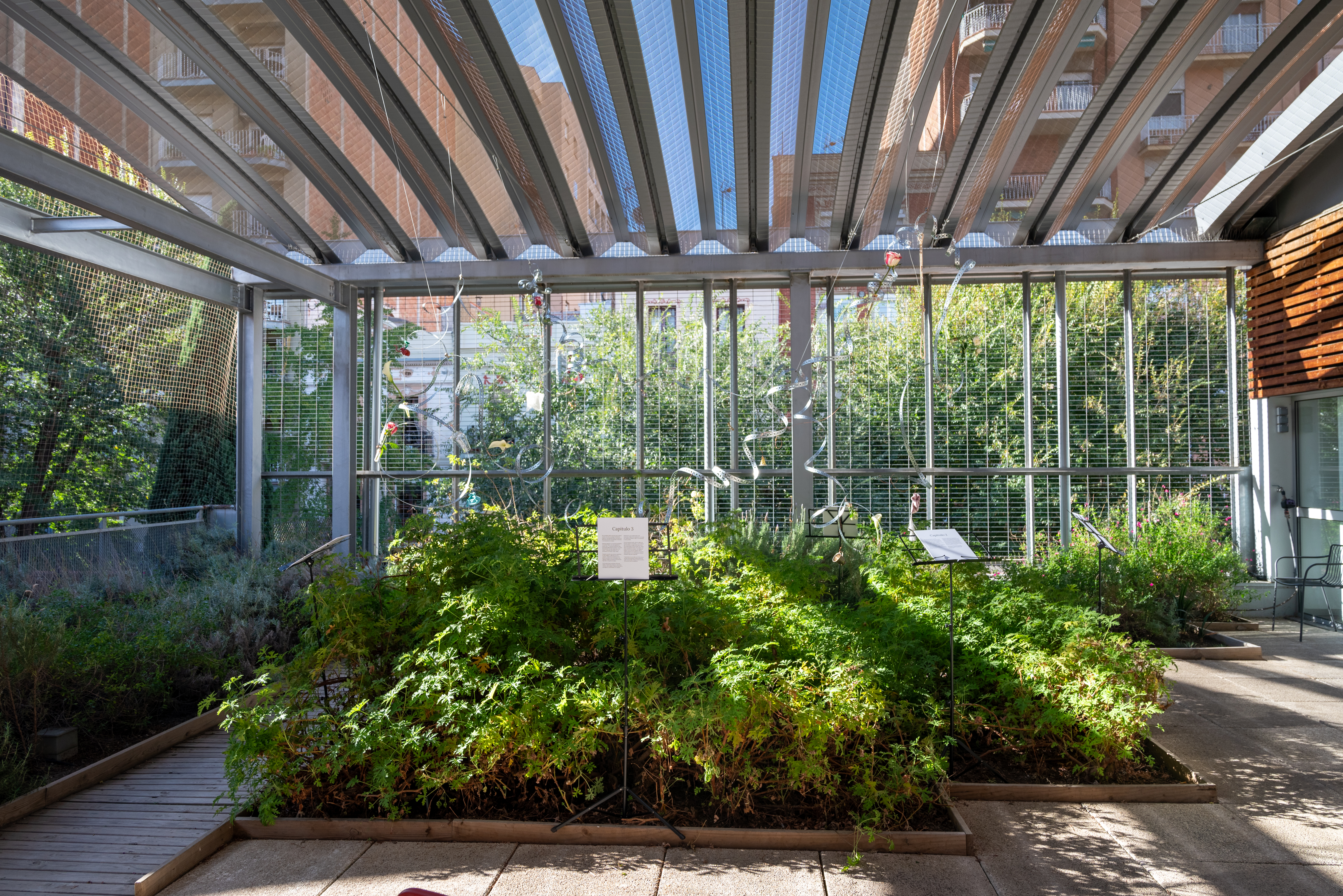
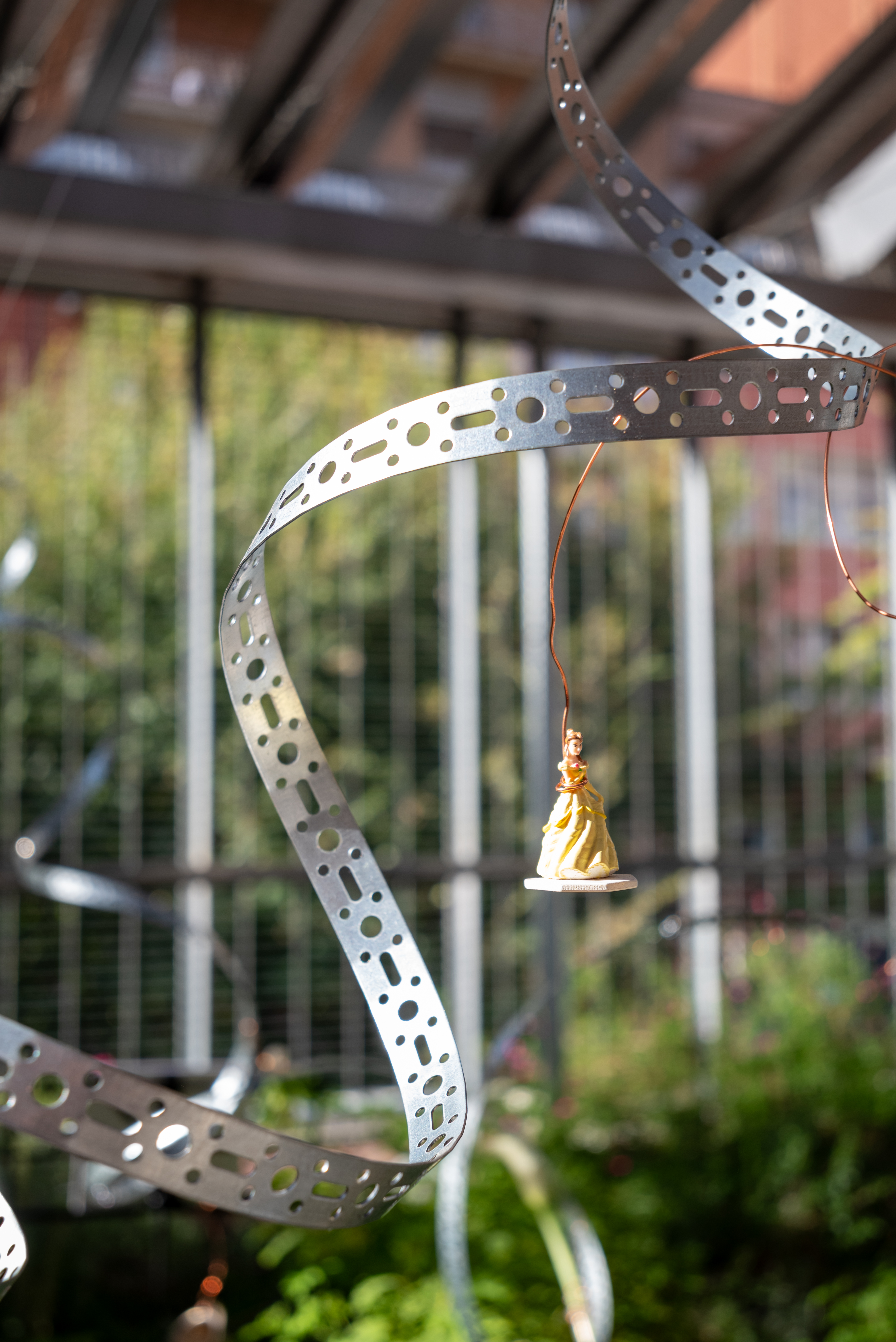
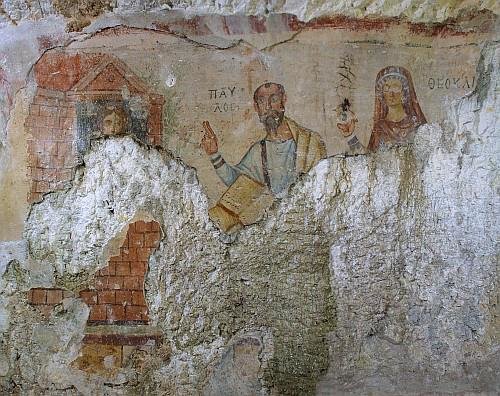
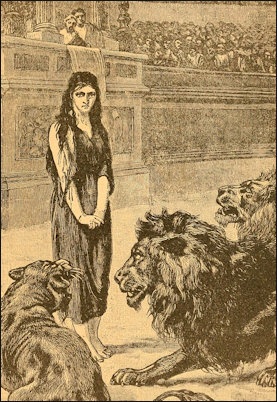
The artist delves into “The Acts of Paul and Thecla” a non-canonical Christian text, and expands on it, focusing on Thecla’s perspective and motivations. This text portrays a strong, independent early Christian martyr, and touches on asceticism and women’s roles in the church. For this reason, it is at times attributed to a female author. Working within a metamodernist framework, Ashche’s work reflects on the essence of Time, its enduring elements, and the fluidity of memories and perceptions.

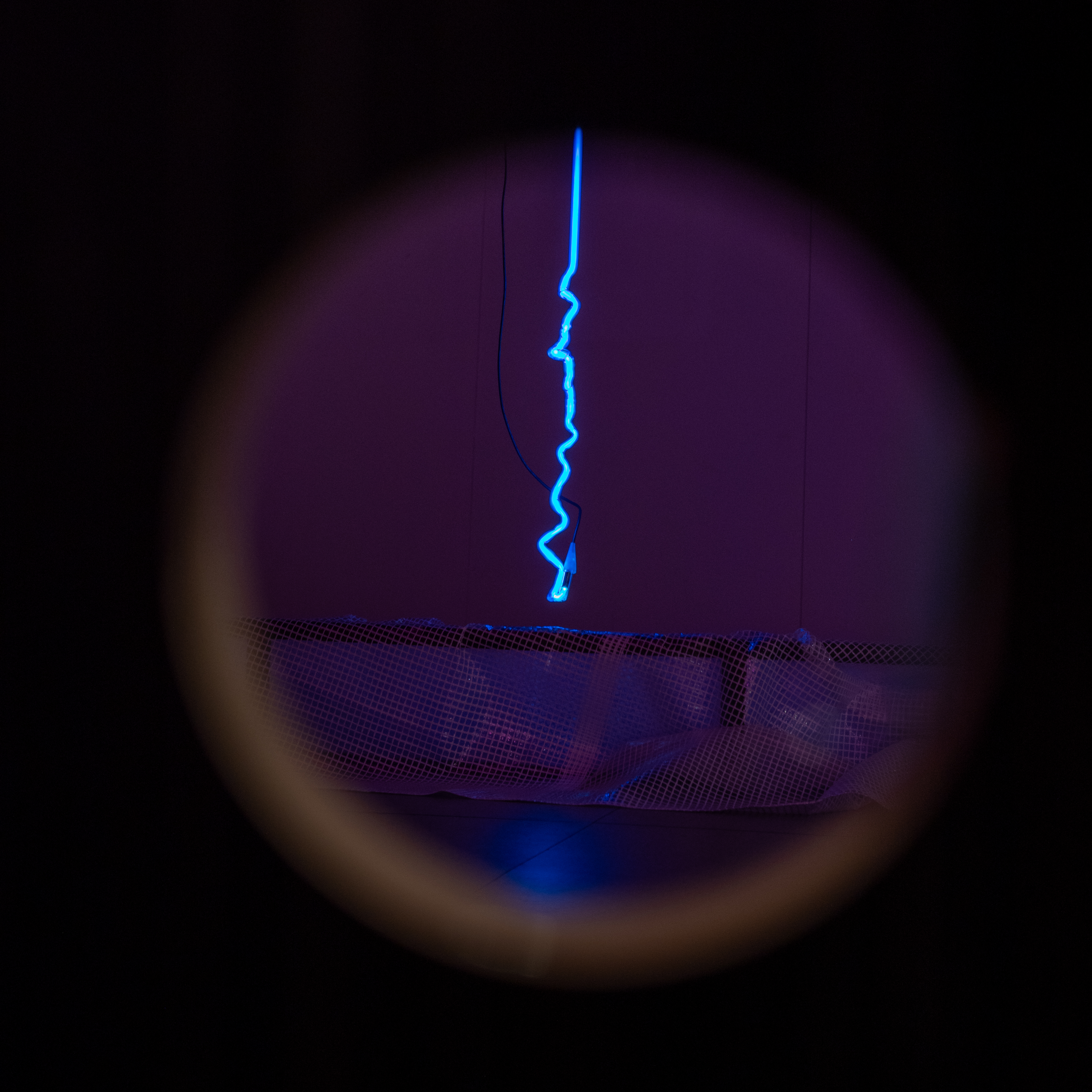
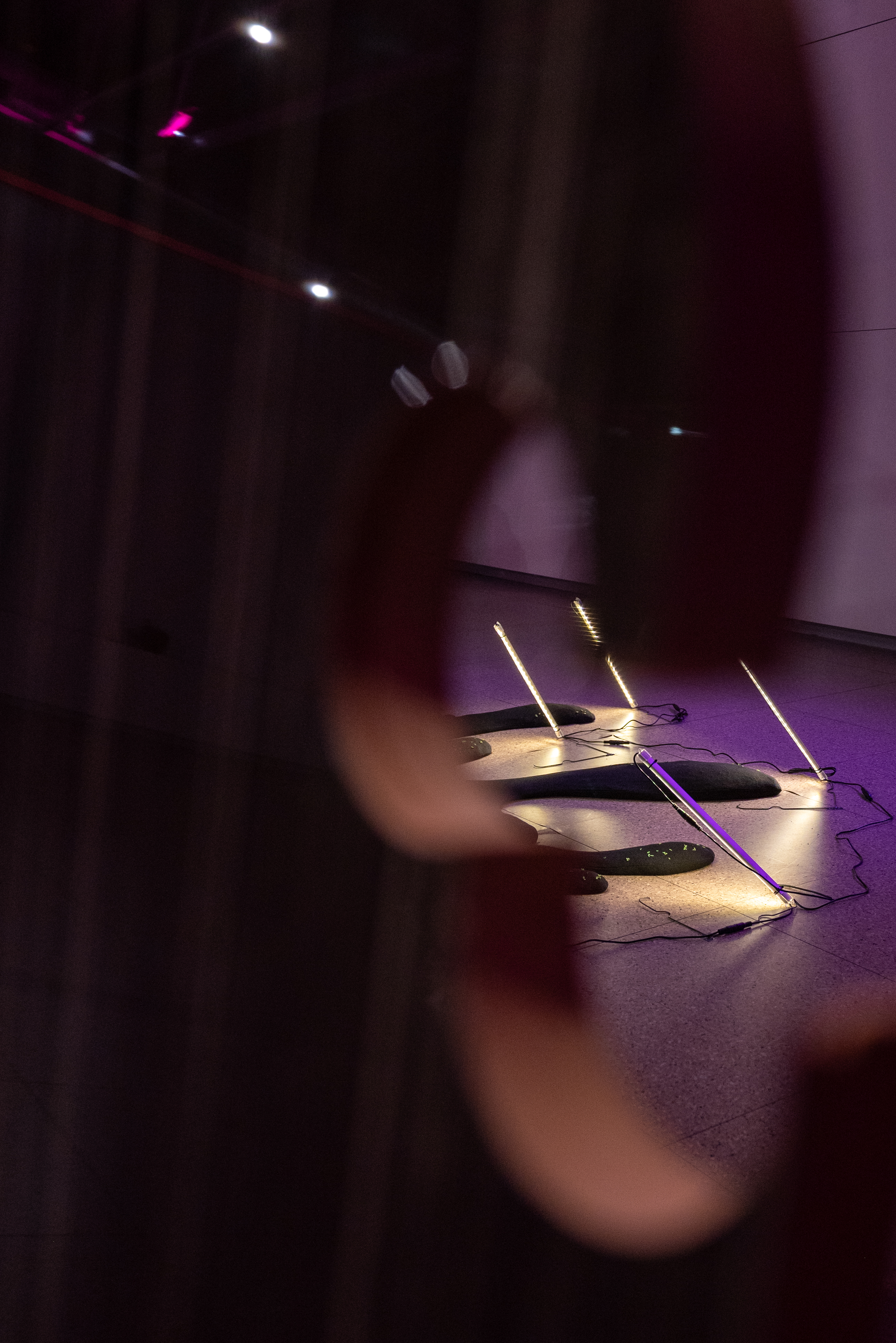
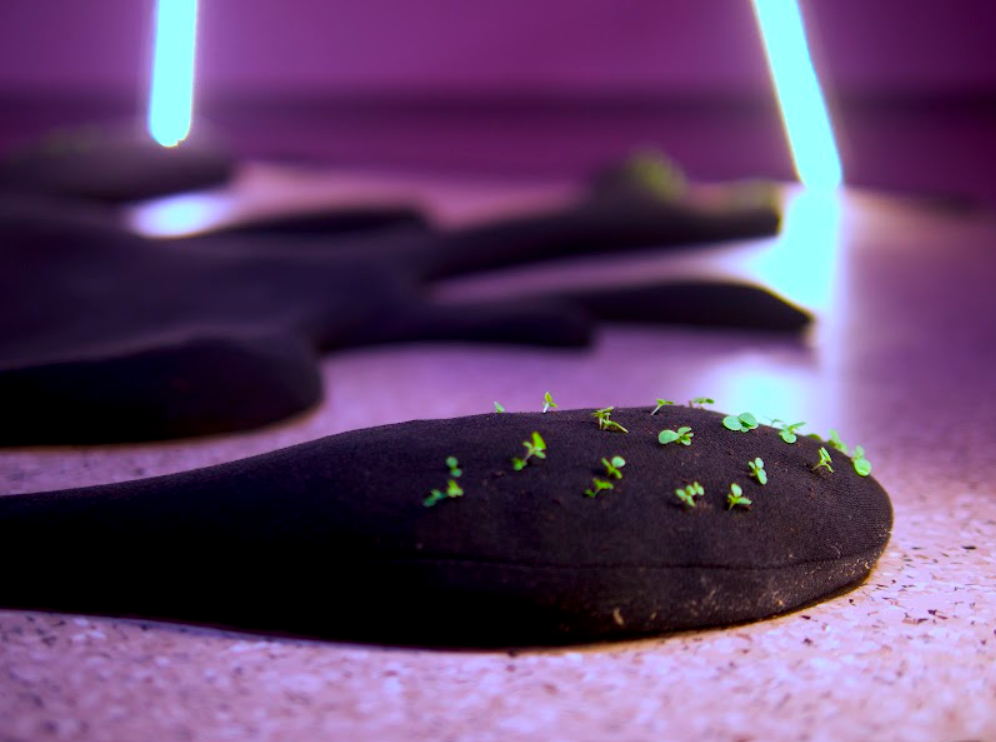
In “How the Living and the Dead Speak”, Agustín Ortiz Herrera explores matter from a queer perspective, using new materials and biomaterials to connect its various forms. The exhibition blurs distinctions between the natural and the artificial, using queer methodologies to challenge anthropocentrism. The result is an unexpected dialogue between the living and the dead, fostering a new cosmology of matter, transcending historical epistemologies.

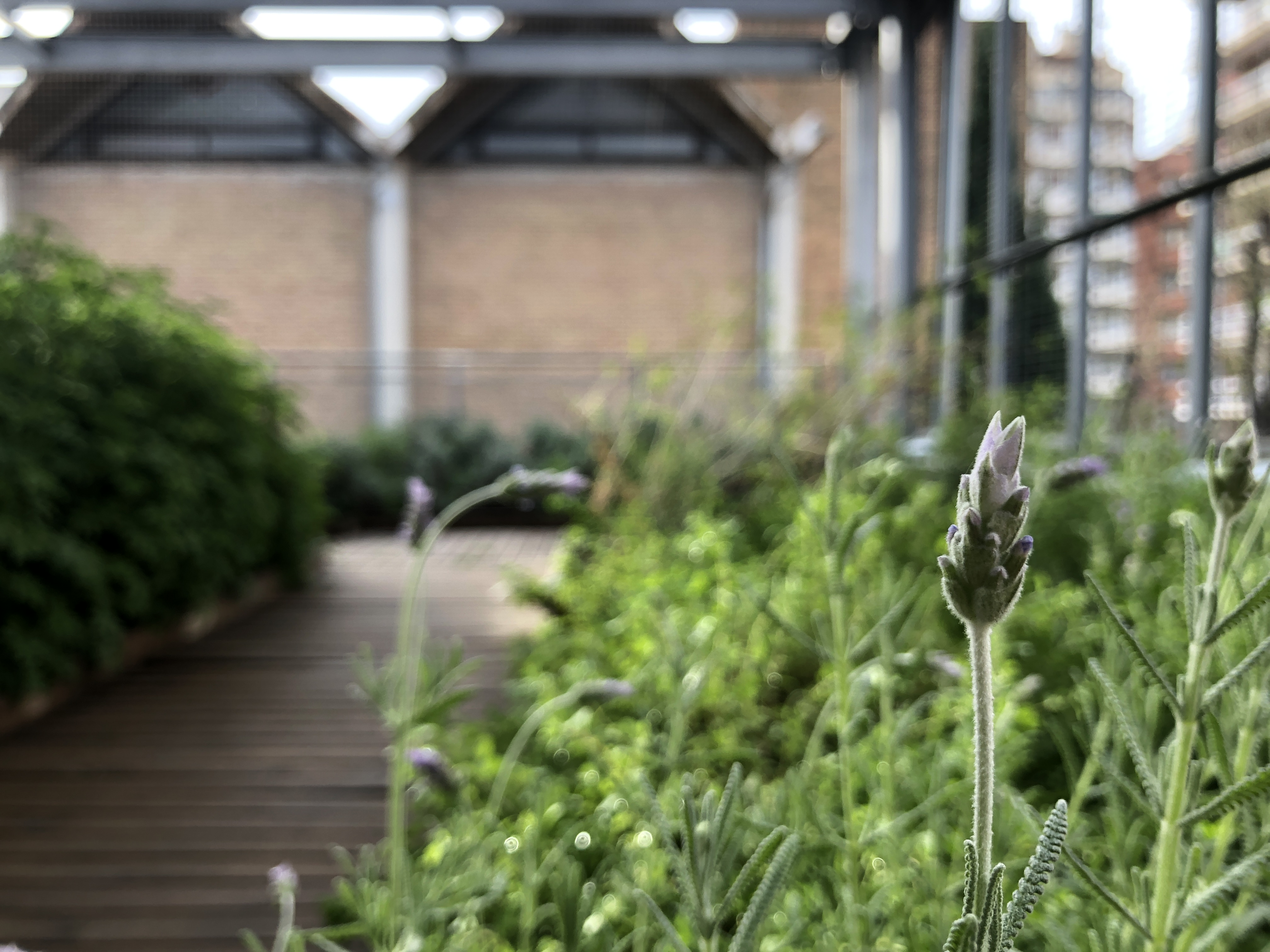
During the 19th century, floriography gained popularity by allowing coded messages to be transmitted through flowers and floral arrangements.
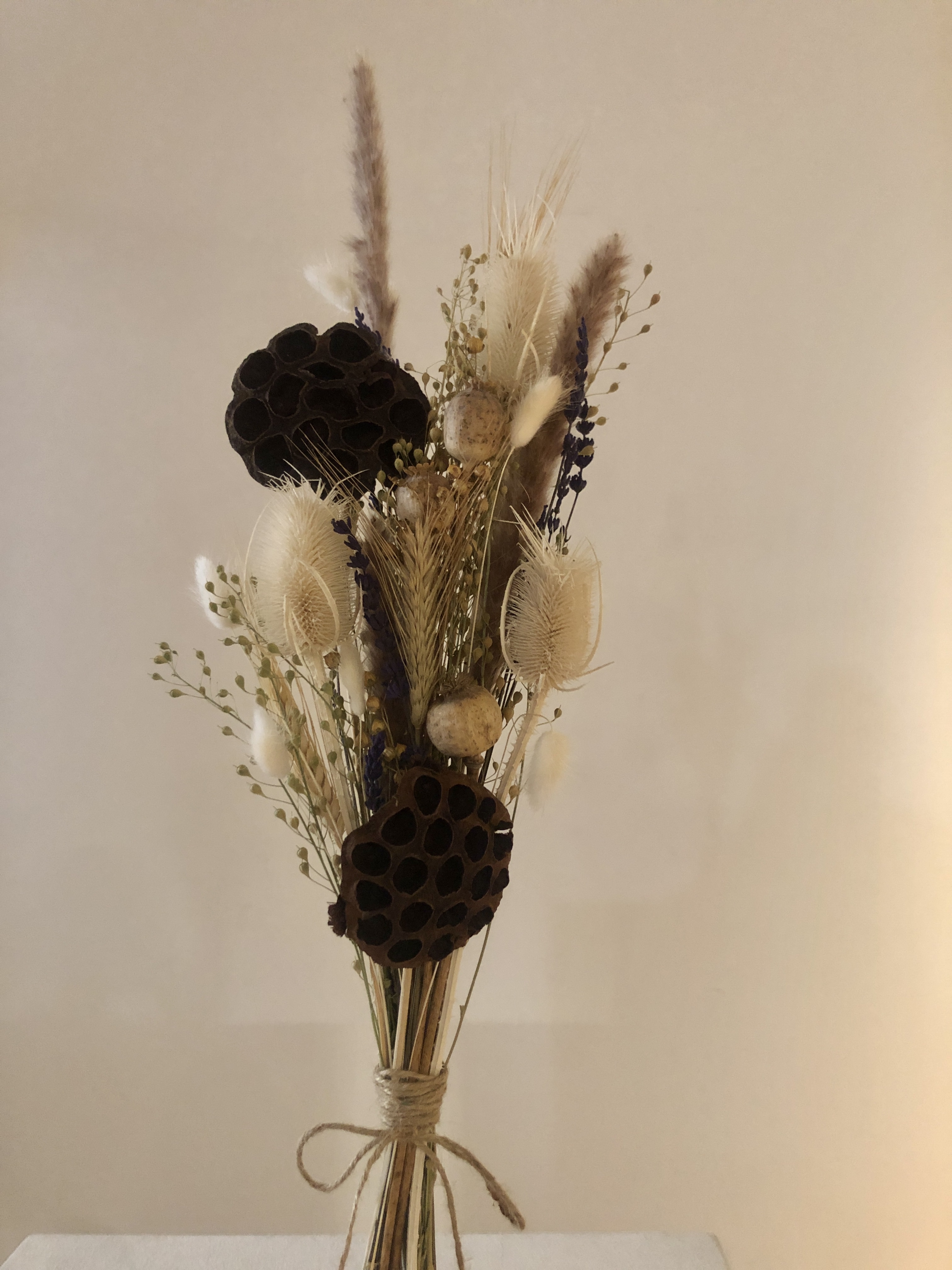
In funerary contexts, carnations and roses evoke loss and the transience of life. White carnations represent sadness and mourning, while white roses symbolise innocence and reverence for the deceased. Poppies, which grow in wheat fields, symbolize remembrance, and have been associated with dreams and death since ancient times.
The lotus flower represents awakening. When dried, both the poppy and lotus pods embody permanence. Interestingly, the English word “flour” is derived from the old French word “fleur” (flower), suggesting its finesse.


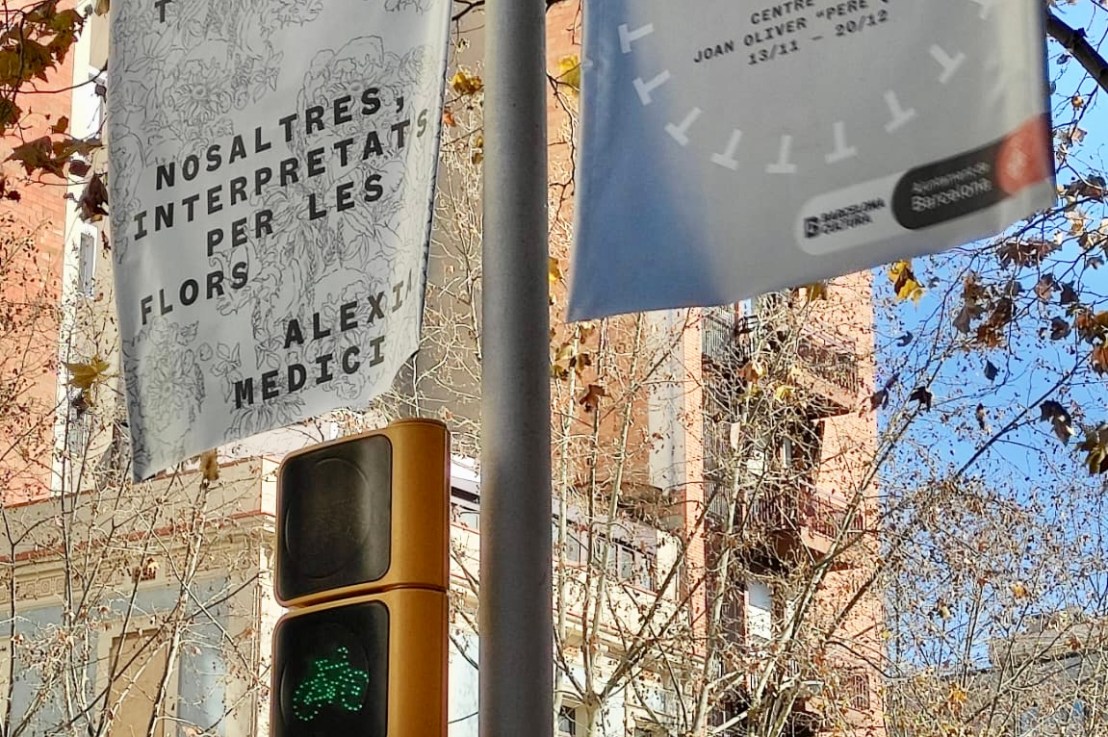

En aquesta sèrie d’exposicions, les flors s’utilitzen com a metàfores de la vida i les seves ramificacions socials, històriques i culturals. El projecte gira al voltant del desenvolupament de Barcelona des d’una perspectiva sociohistòrica que vincula narracions relacionades amb la memòria del barri.
El primer itinerari es presenta a la Casa Elizalde amb “Reproducció”, seguit de “Transformació” a la Farinera del Clot, i “Break” al Centre Cívic Joan Oliver “Pere Quart”. En cada itinerari, l’exposició sortirà dels voltants del centre cívic per connectar amb un negoci emblemàtic del barri.
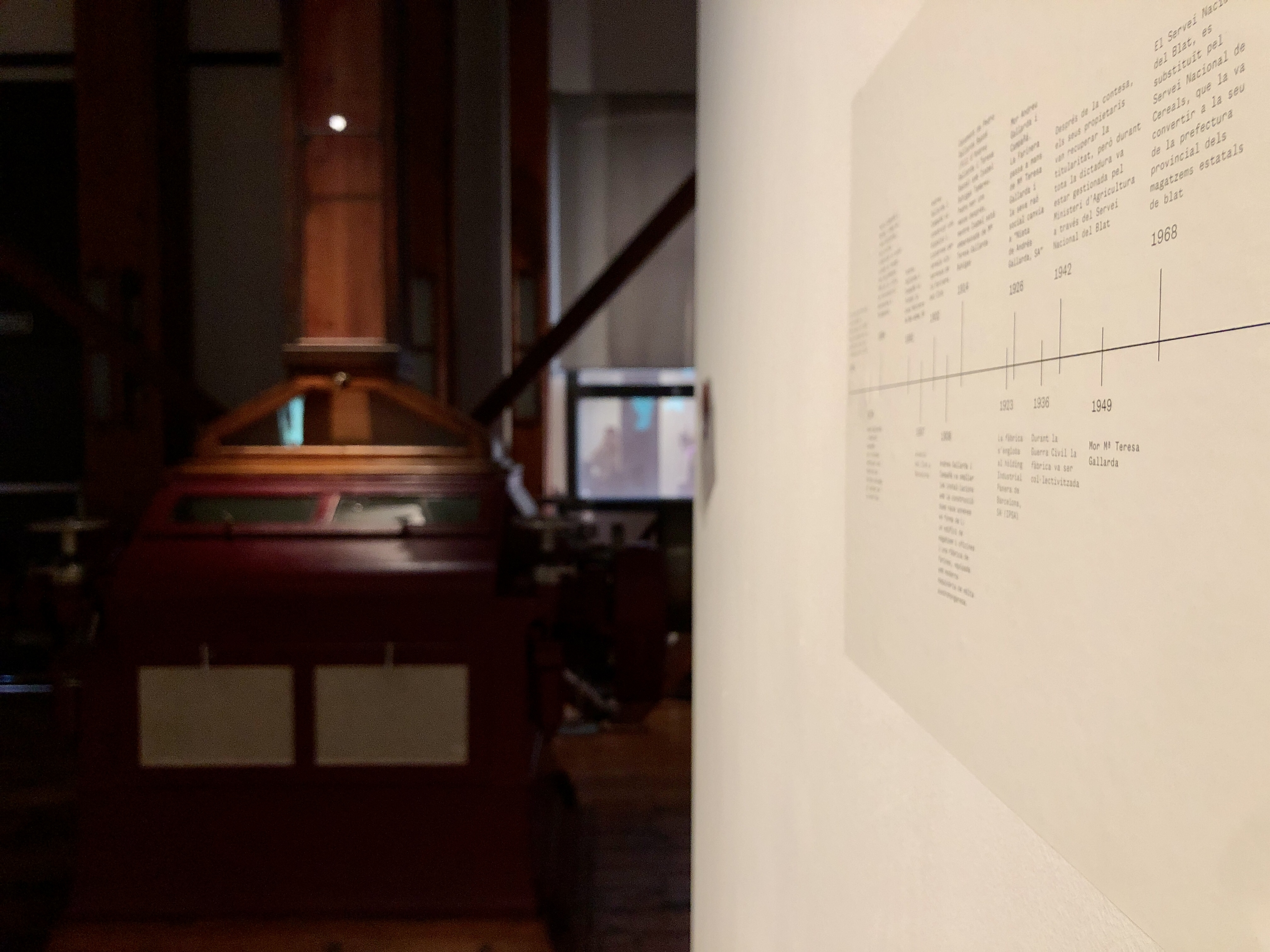
La transformació és la segona exposició site-specific de la sèrie Nosaltres, interpretada per les flors, i gira al voltant de la història del Clot entre principis del segle XIX i mitjans del XX.
Com el títol indica, el treball de les artistes Katerina Ashche i Adriana Civit se centra en el tema de la transformació urbana, industrial i humana. Ens conviden a reflexionar sobre les capes de memòria a través de fragments deixats durant el procés d’industrialització al barri del Clot.
En la filosofia metamodernista, hi ha una tensió contínua entre la sinceritat i la ironia. Aquesta interacció ens impulsa a re-avaluar el nostre passat, alhora que acceptem la naturalesa adaptativa de la interpretació. Vista des d’una perspectiva metamodernista, la memòria pren un paper actiu, configurant les històries individuals, els relats històrics col·lectius i les dimensions sempre canviants de la nostra narrativa humana.


El blat és el punt de partida, i el fil conductor per explorar les diferents capes de transformació de la instal·lació tèxtil d’Adriana Civit. De la llavor al cultiu, d’un paisatge àrid a extensos camps de blat, o de la transformació del paisatge de natural a urbà. Un paisatge que es defineix per la vida quotidiana, i per les empremtes del passat.
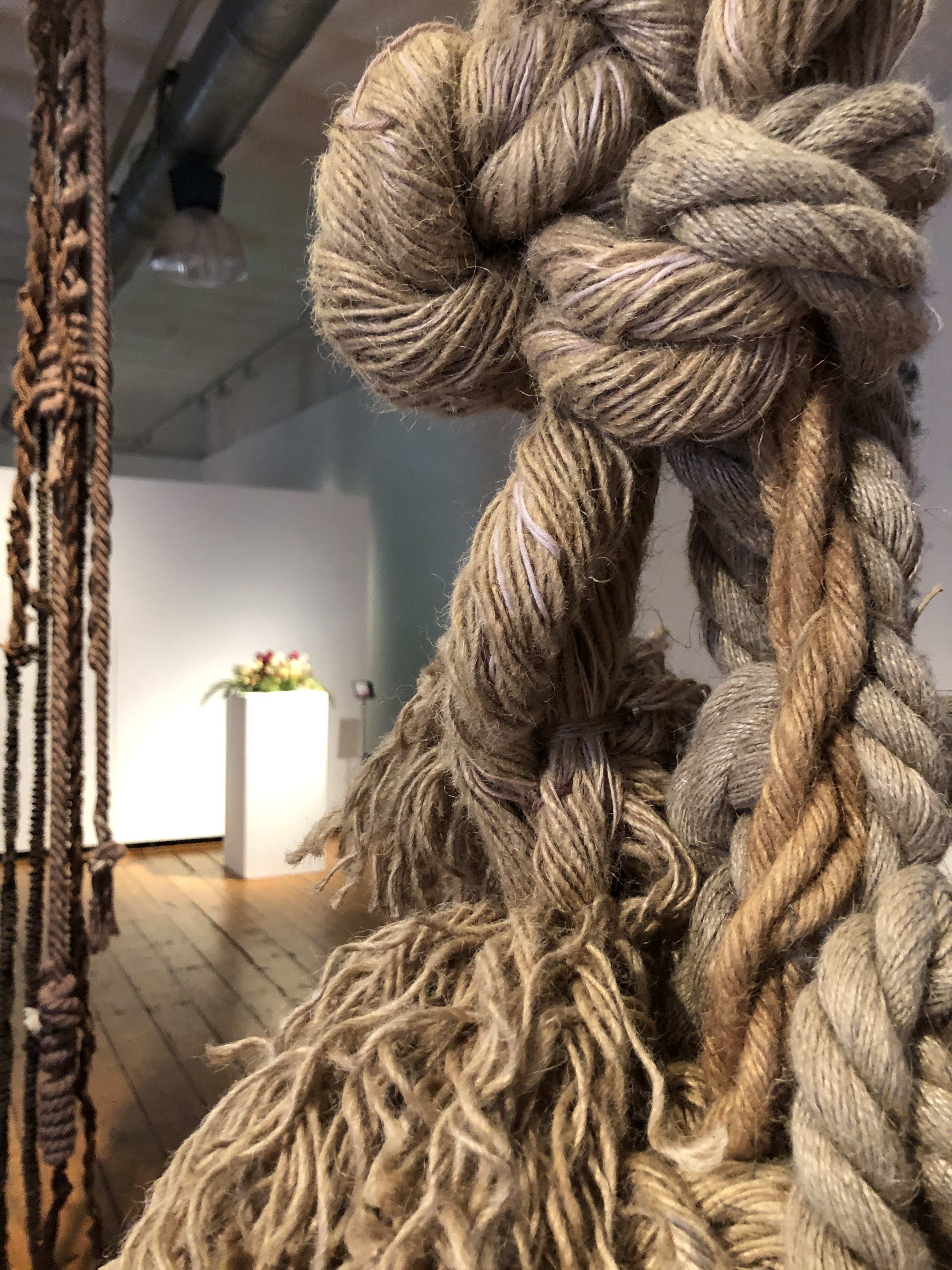
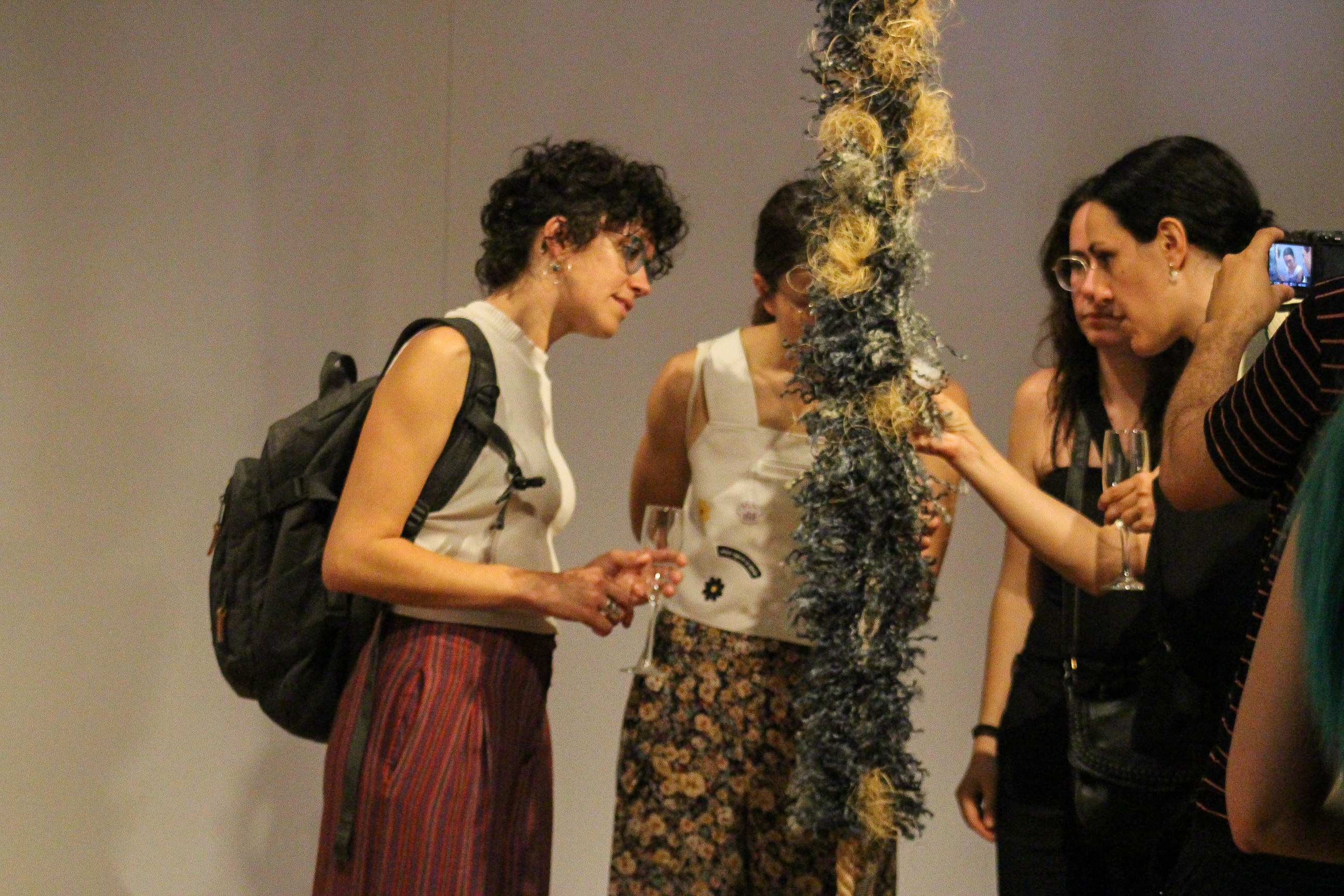
En cadascuna de les escultures exposades, la manipulació de les cordes porta a una transformació. Un treball manual amb un dibuix marcat per les característiques de cada fibra natural utilitzada, i un ritme de treball pausat, que permeti al visitant prendre consciència del que ens envolta.
Durant el procés de transformació, Adriana Civit utilitza cordes fetes de cànem, cotó, ràfia i sacs de farina reciclada, i les tenyeix, torce, nusa i munta amb cura per crear estructures tèxtils que entren en diàleg amb el seu entorn.
En el context de la Farinera del Clot, l’antiga fàbrica de farina reconvertida ara en un centre cultural, ens convida a reflexionar sobre l’evolució i la reubicació de l’espai. Criden especialment l’atenció les columnes que sostenen el terra a l’exterior de l’edifici. Es tracta de columnes que antigament formaven part de l’esquelet estructural de la fàbrica, que avui, extretes d’aquell context, esdevenen testimonis silenciosos de la transformació del lloc.
Partint d’una dinàmica semblant, l’artista pretén descontextualitzar l’ús de les cordes (cordes de càrrega, cordes de pesca), creant un element que no té cap funció pràctica, la presència del qual, per tant, esdevé simbòlica i conceptual.
A través de la tensió de les cordes, Adriana Civit busca crear un sentit dels contraris que genera la transformació. La tensió entre allò tangible i allò intangible, el paisatge i la interpretació d’aquest paisatge, entre la natura i la cultura. Aquestes tensions creen capes de significat que s’estableixen com a estrats a la memòria col·lectiva com a estrats.

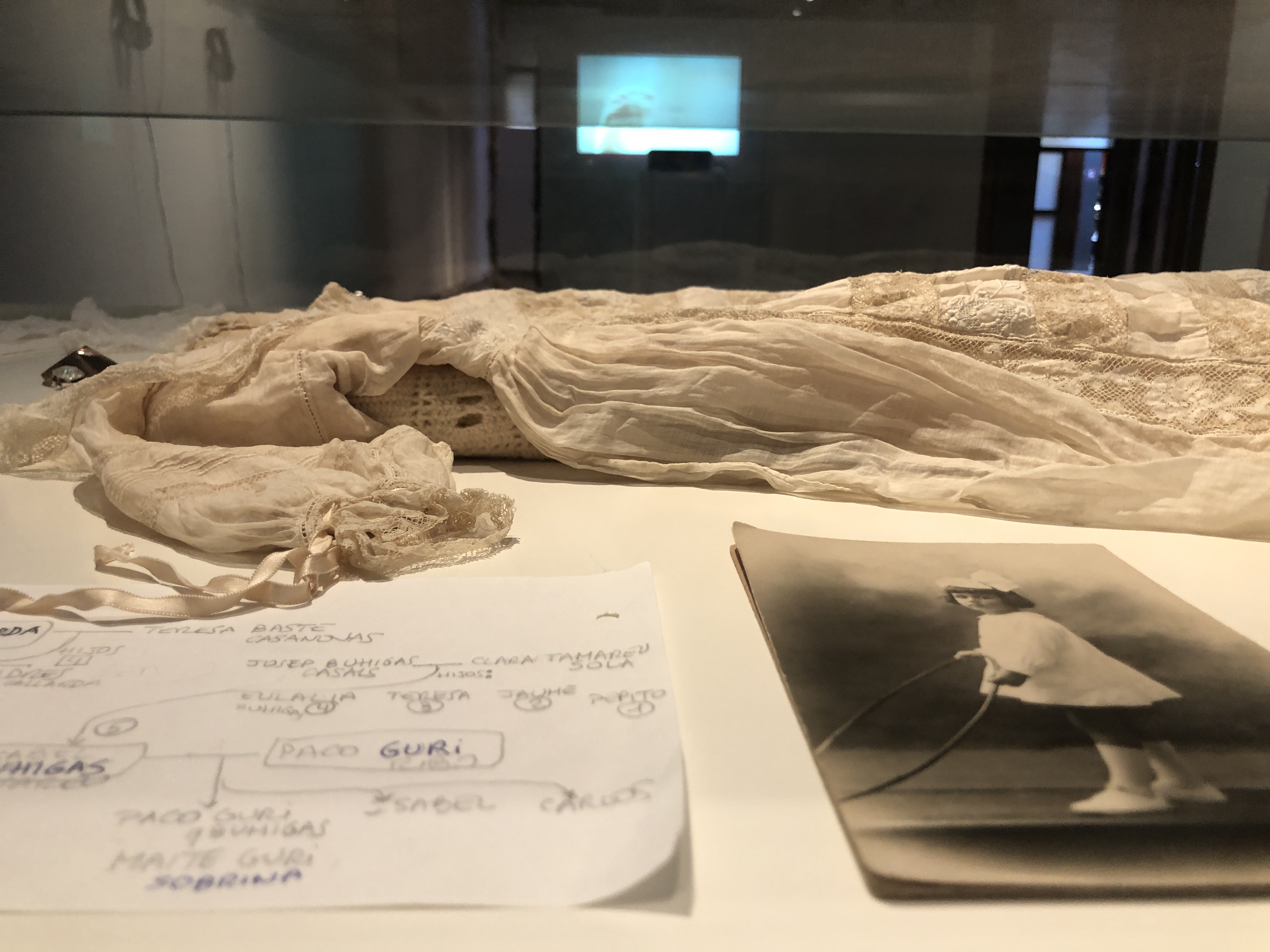
Mitjançant l’ús de records de ficció, Katerina Ashche ens convida a reflexionar sobre tres dones relacionades amb la història de la Farinera del Clot: María Teresa Gallarda, néta i hereva del fundador, Andreu Gallarda, Mari la florista del barri, i María Campaña, La mare d’Andreu Gallarda.
A través d’objectes i històries heretats, Ashche ens convida a contemplar la subjectivitat de la memòria; què es recorda, què val la pena recordar i qui s’oblida.
Els objectes esdevenen contenidors de significat i nostàlgia. Cada artefacte és un recordatori tangible del passat, del qual els espectadors casuals sabem molt poc i que, com a col·lecció d’històries universals individuals, ha donat forma a la nostra comprensió del món.
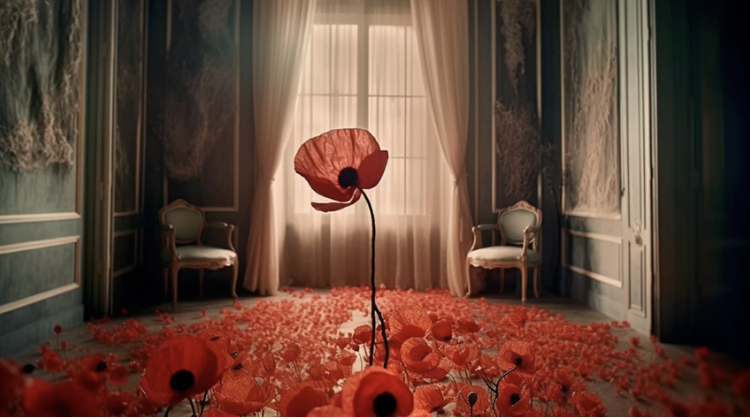
A aquests objectes, l’artista afegeix imatges generades per IA que connecten amb els algorismes de memòria col·lectiva dins de l’àmbit digital.
Potser tots els teus records són mentides.
– Patrick McHale
Potser tot el que percebes és mentida.
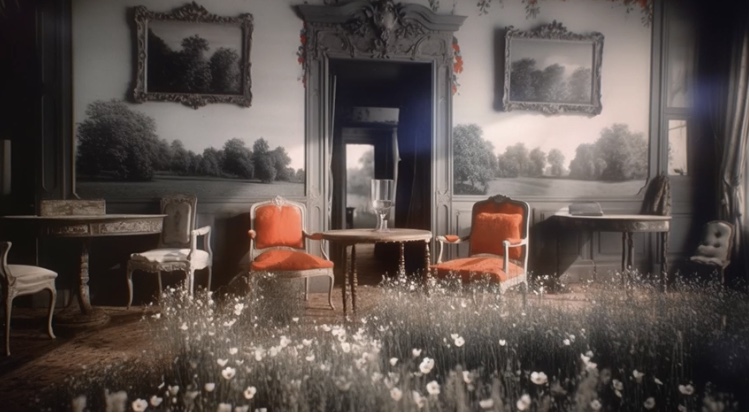

El pensament metamodernista desafia la noció de veritat absoluta i la nostra percepció de la realitat. Suggereix que els nostres records i percepcions poden ser enganys o distorsions. En adoptar aquesta perspectiva paradoxal, augmenta la consciència de la naturalesa subjectiva de les nostres experiències i de la naturalesa construïda de les nostres realitats.
Posem en dubte la fiabilitat dels records, les narracions socials i els nostres sentits. Aquesta exploració existencial, que oscil·la entre la sinceritat i la ironia, ens permet examinar críticament les nostres perspectives, obrint noves vies de comprensió i interpretació.
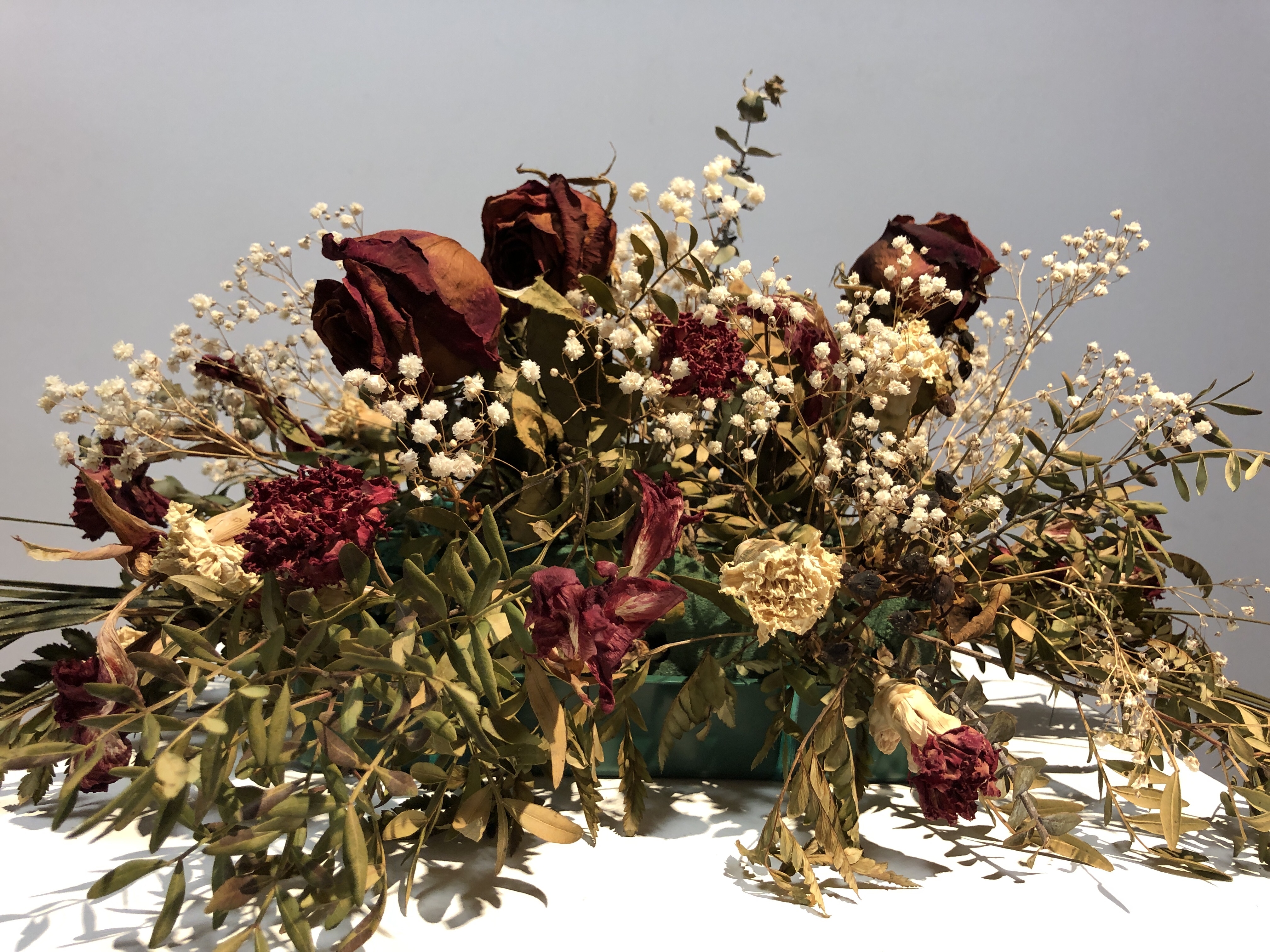
Durant el segle XIX, la floriografia va guanyar popularitat en permetre que es transmetessin missatges codificats a través de flors i arranjaments florals.
En contextos funeraris, clavells i roses evoquen la pèrdua i la fugacitat de la vida. Els clavells blancs representen la tristesa i el dol, mentre que les roses blanques simbolitzen la innocència i la reverència pel difunt. Les roselles, que creixen als camps de blat, simbolitzen el record i s’han associat amb els somnis i la mort des de l’antiguitat.
La flor de lotus representa el despertar. Quan s’assequen, tant les beines de rosella com de lotus encarnen la permanència. Curiosament, la paraula anglesa “farina” deriva de l’antiga paraula francesa “fleur” (flor), cosa que suggereix la seva delicadesa.
In this series of exhibitions, flowers are used as metaphors for life and its social, historical, and cultural ramifications. The project revolves around the development of Barcelona from a sociohistorical perspective that links narratives related to the memory of the neighborhood.
The first itinerary is presented at the Casa Elizalde with “Reproduction”, followed by “Transformation” in the Farinera del Clot, and “Break” in the Joan Oliver “Pere Quart” Civic Center. On each itinerary, the exhibition will leave the environs of the civic center to connect with an emblematic business in the neighborhood.
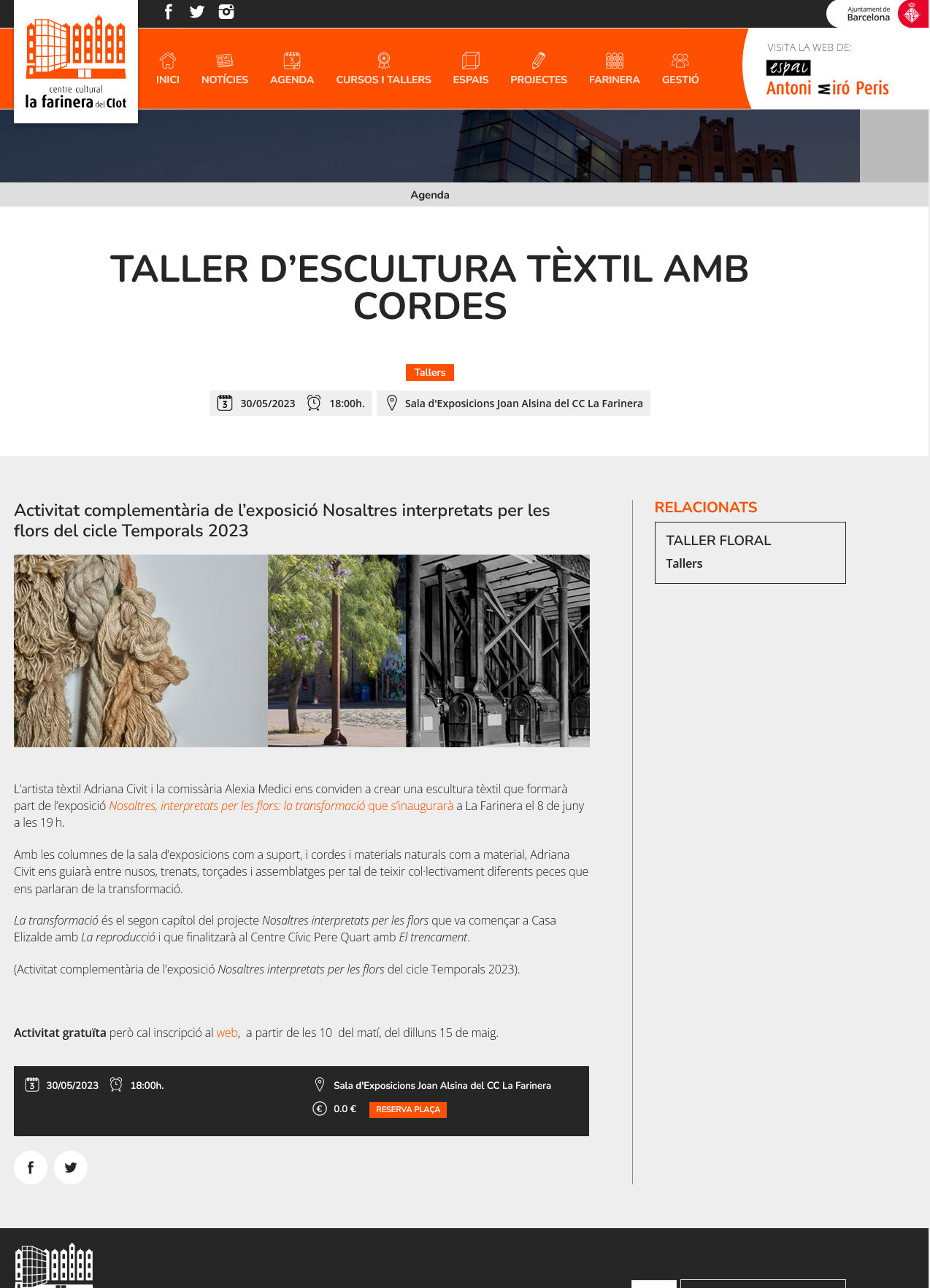
Transformation is the second site-specific exhibition in the series Us, interpreted by the flowers, and revolves around the history of El Clot between the beginning of the 19th century and the middle of the 20th.
As the title implies, the work of artists Katerina Ashche and Adriana Civit focuses on the theme of urban, industrial, and human transformation. They invite us to reflect on layers of memory through fragments left behind during the industrialisation process in the Clot neighbourhood.
In metamodernist philosophy, there is a continuous tension between sincerity and irony. This interaction prompts us to re-evaluate our past, while accepting the adaptive nature of interpretation. Viewed from a metamodernist perspective, memory takes an active role, shaping individual histories, collective historical accounts, and the ever-changing dimensions of our human narrative.
Wheat is the starting point, and the common thread used to explore various layers of transformation in Adriana Civit’s textile installation. From seed to crop, from an arid landscape to extensive fields of wheat, or from the transformation of the landscape from natural to urban. A landscape that is defined by daily life, and by the traces of the past.
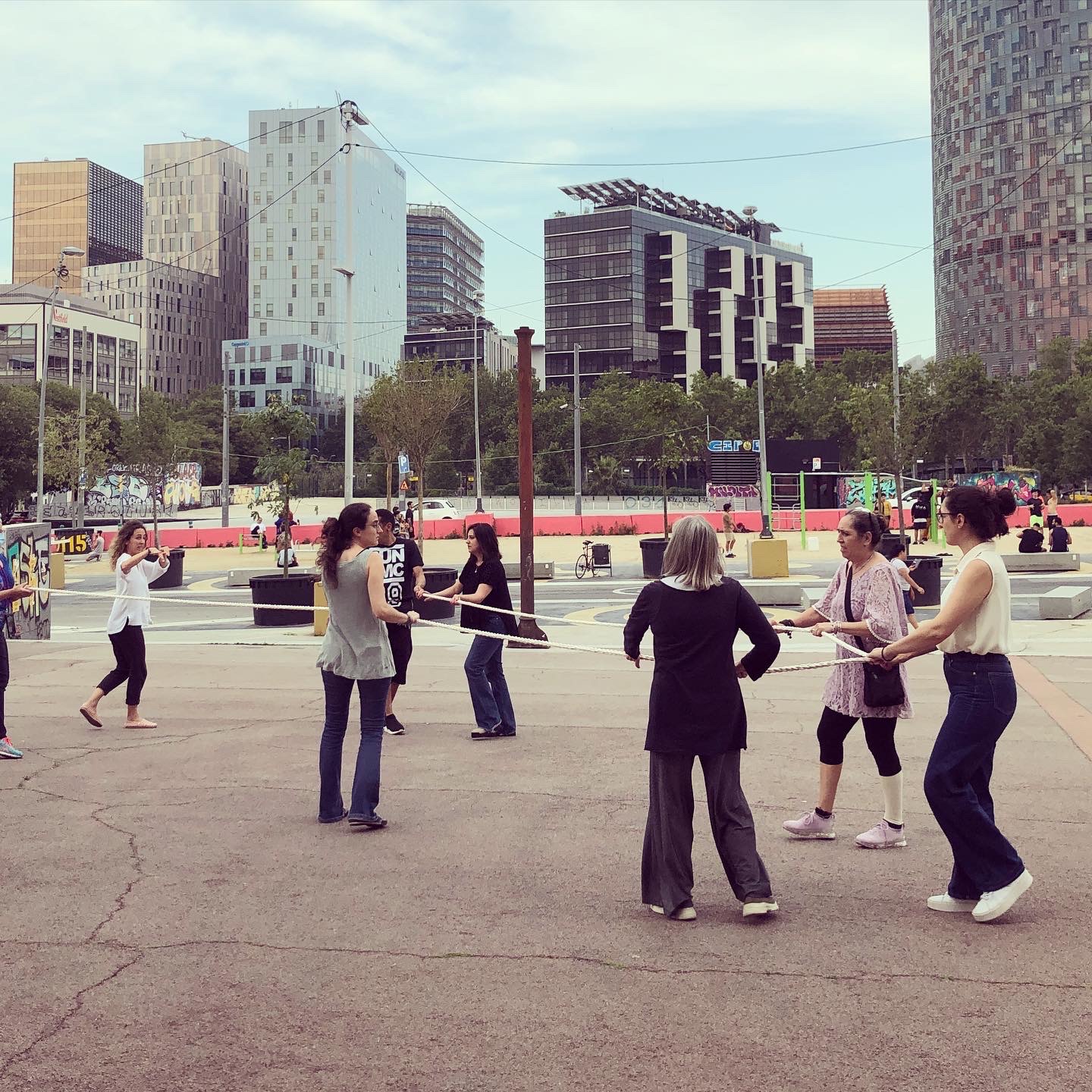
In each of the sculptures on display, the manipulation of the ropes gives leads to a transformation. A manual work with a pattern marked by the characteristics of each natural fibre used, and a leisurely pace of work, one that allows the visitor to become aware of what surrounds us.
During the transformation process, Adriana Civit uses ropes made from hemp, cotton, raffia and recycled flour sacks, and carefully dyes, twists, knots and assembles them to create textile structures that enter into a dialogue with her surroundings.
In the context of La Farinera del Clot, the former flour factory now converted into a cultural centre, she invites us to reflect on the evolution and relocation of space. The columns that support the ground on the outside of the building are particularly striking. These are columns that once formed part of the structural skeleton of the factory, which today, taken out of that context, become silent witnesses to the transformation of the place.
Starting from a similar dynamic, the artist aims to decontextualise the use of ropes (load ropes, fishing ropes), creating an element that has no practical function, whose presence therefore becomes symbolic and conceptual.
Through the tension of the ropes, Adriana Civit seeks to create a sense of the opposites that transformation generates. The tension between the tangible and the intangible, the landscape and the interpretation of that landscape, between nature and culture. These tensions create layers of meaning that are laid down as strata in the collective memory as strata.
Through the use of fictional memories, Katerina Ashche invites us to reflect upon three women related to the history of La Farinera del Clot: María Teresa Gallarda, the granddaughter and heir of the founder, Andreu Gallarda, Mari the neighbourhood florist, and María Campaña, Andreu Gallarda’s mother.
Through inherited objects and stories, Ashche invites us to contemplate the subjectivity of memory; what is remembered, what is worth remembering, and who is forgotten.
The objects become containers of meaning and nostalgia. Each artefact is a tangible reminder of the past, about which we as casual viewers know very little, and which, as a collection of individual universal stories, has shaped our understanding of the world.
To these objects the artist adds AI-generated images that connect with the collective memory algorithms within the digital realm.
Maybe all your memories are lies.
– Patrick McHale
Maybe everything you perceive is a lie.
-Patrick McHale
Metamodernist thought challenges the notion of absolute truth and our perception of reality. It suggests that our memories and perceptions may be deceptions or distortions. By adopting this paradoxical perspective, awareness of the subjective nature of our experiences and the constructed nature of our realities is increased.
We question the reliability of memories, social narratives, and our senses. This existential exploration, which oscillates between sincerity and irony, allows us to critically examine our perspectives, opening new avenues of understanding and interpretation.
During the 19th century, floriography gained popularity by allowing coded messages to be transmitted through flowers and floral arrangements.
In funerary contexts, carnations and roses evoke loss and the transience of life. White carnations represent sadness and mourning, while white roses symbolise innocence and reverence for the deceased. Poppies, which grow in wheat fields, symbolize remembrance, and have been associated with dreams and death since ancient times.
The lotus flower represents awakening. When dried, both the poppy and lotus pods embody permanence. Interestingly, the English word “flour” is derived from the old French word “fleur” (flower), suggesting its finesse.
 alexia medici