Us, Interpreted by the Flowers is a site-specific curatorial research project developed across three civic centres in Barcelona in 2023. Conceived as a trilogy — Reproduction, Transformation, and The Gap — the project explored how local histories embedded within specific urban sites continue to resonate within contemporary social and political realities.

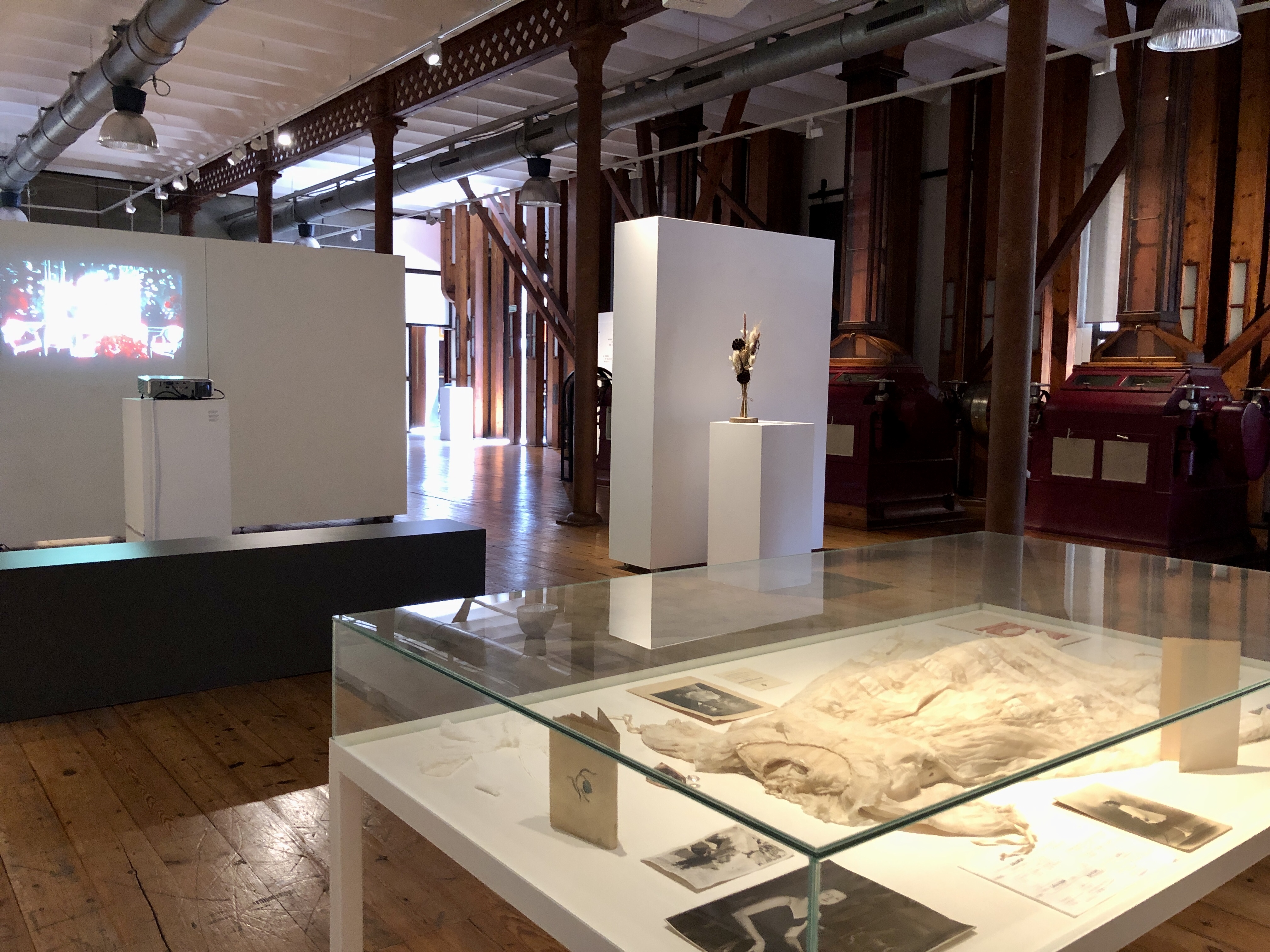
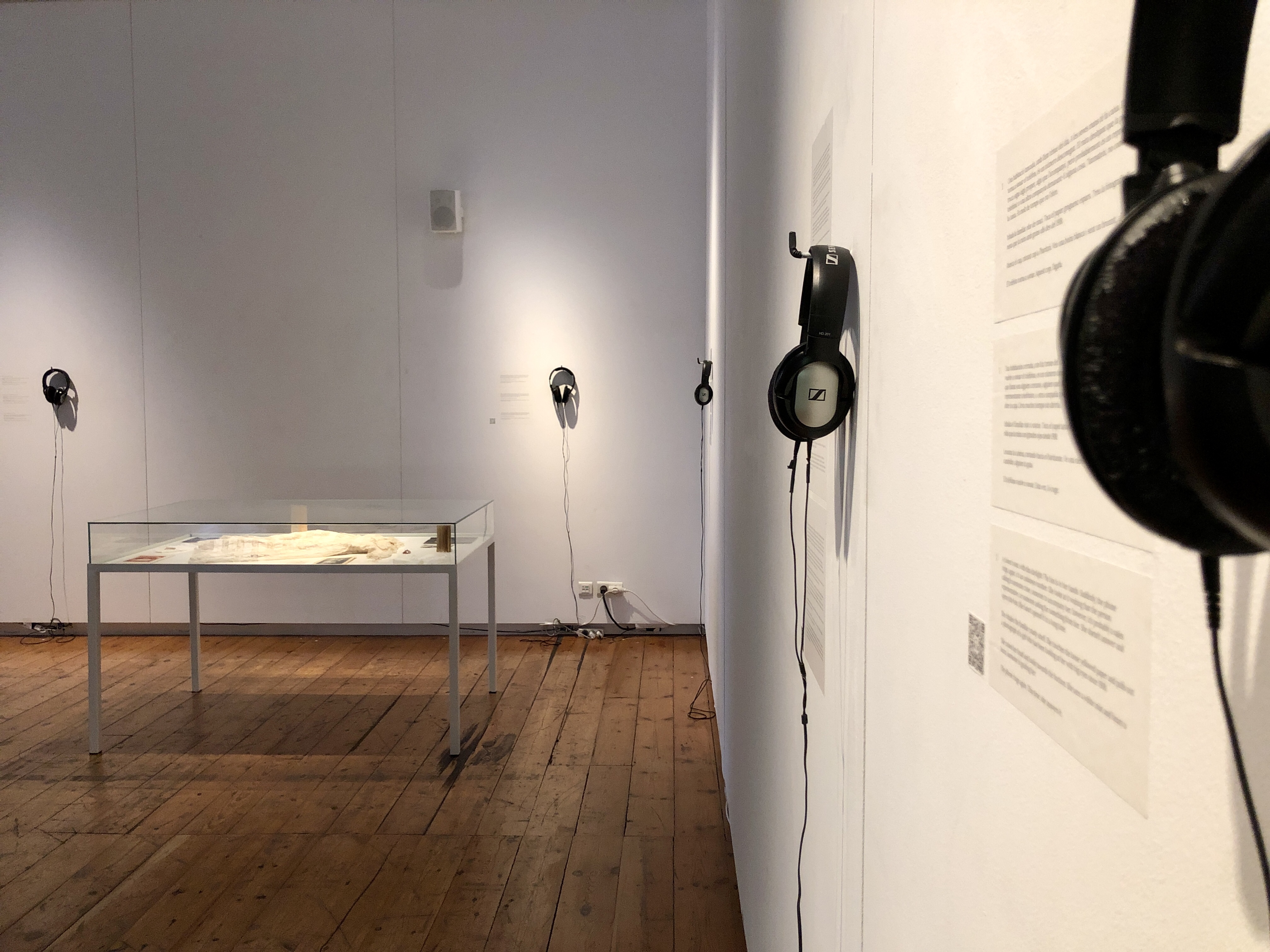
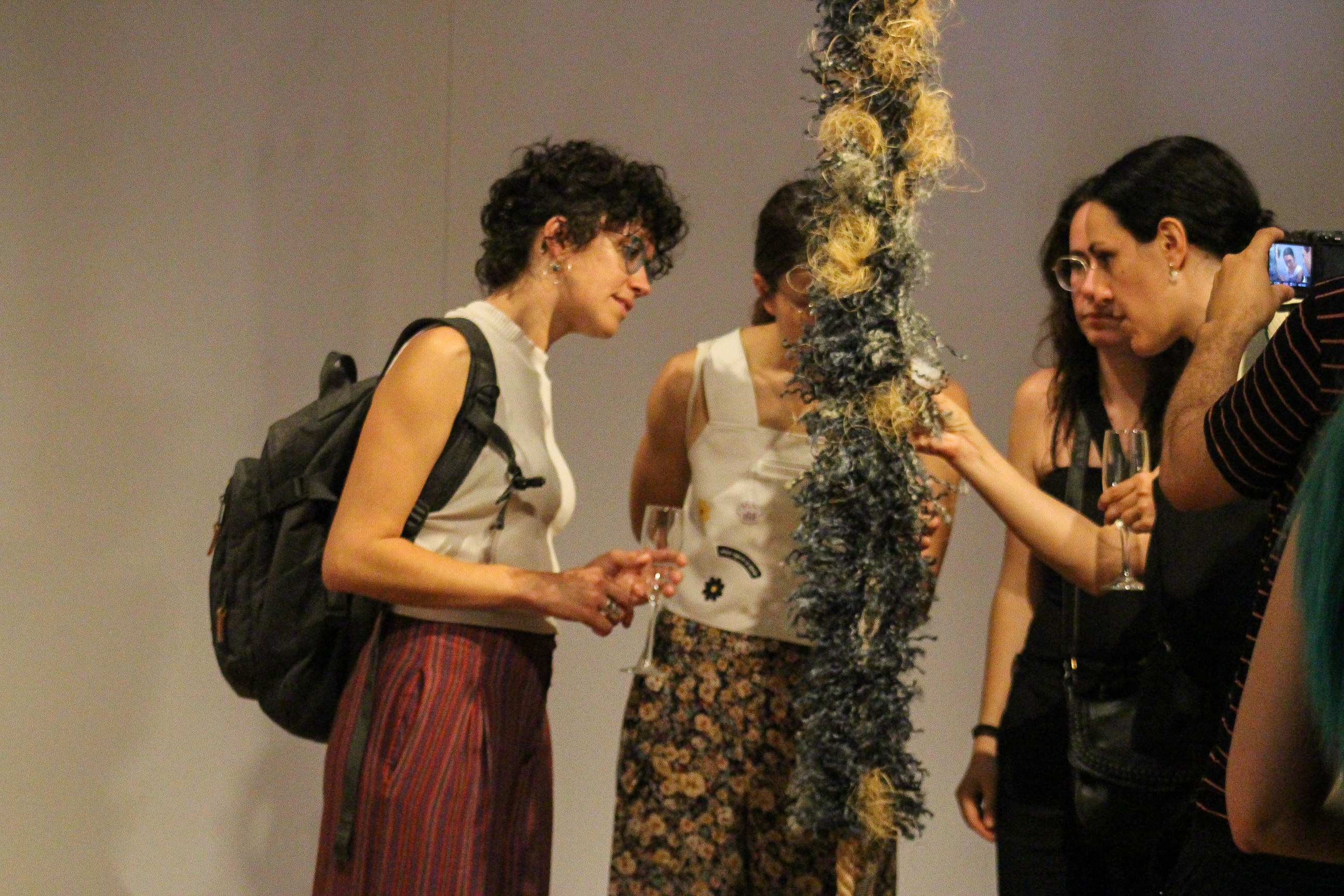
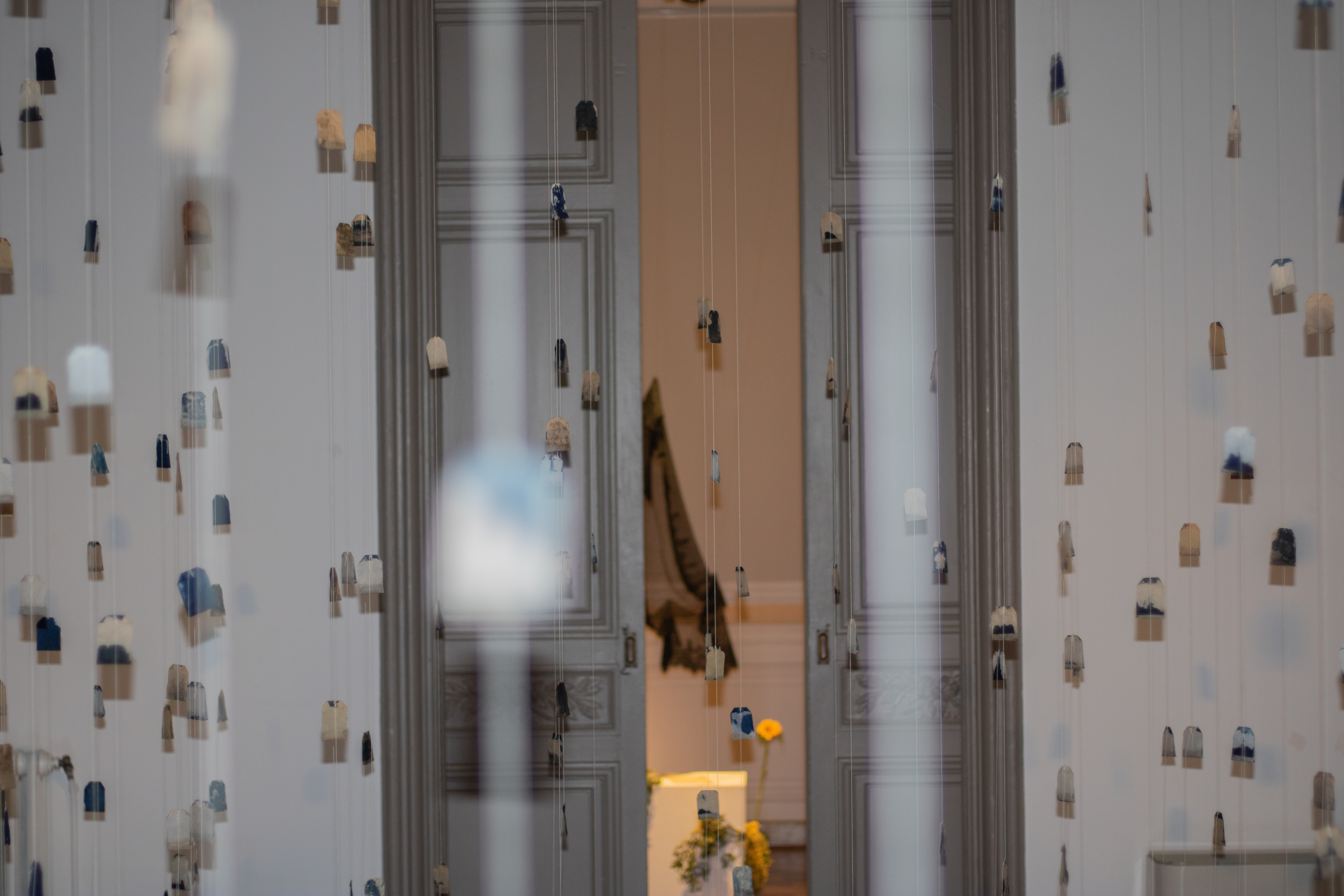


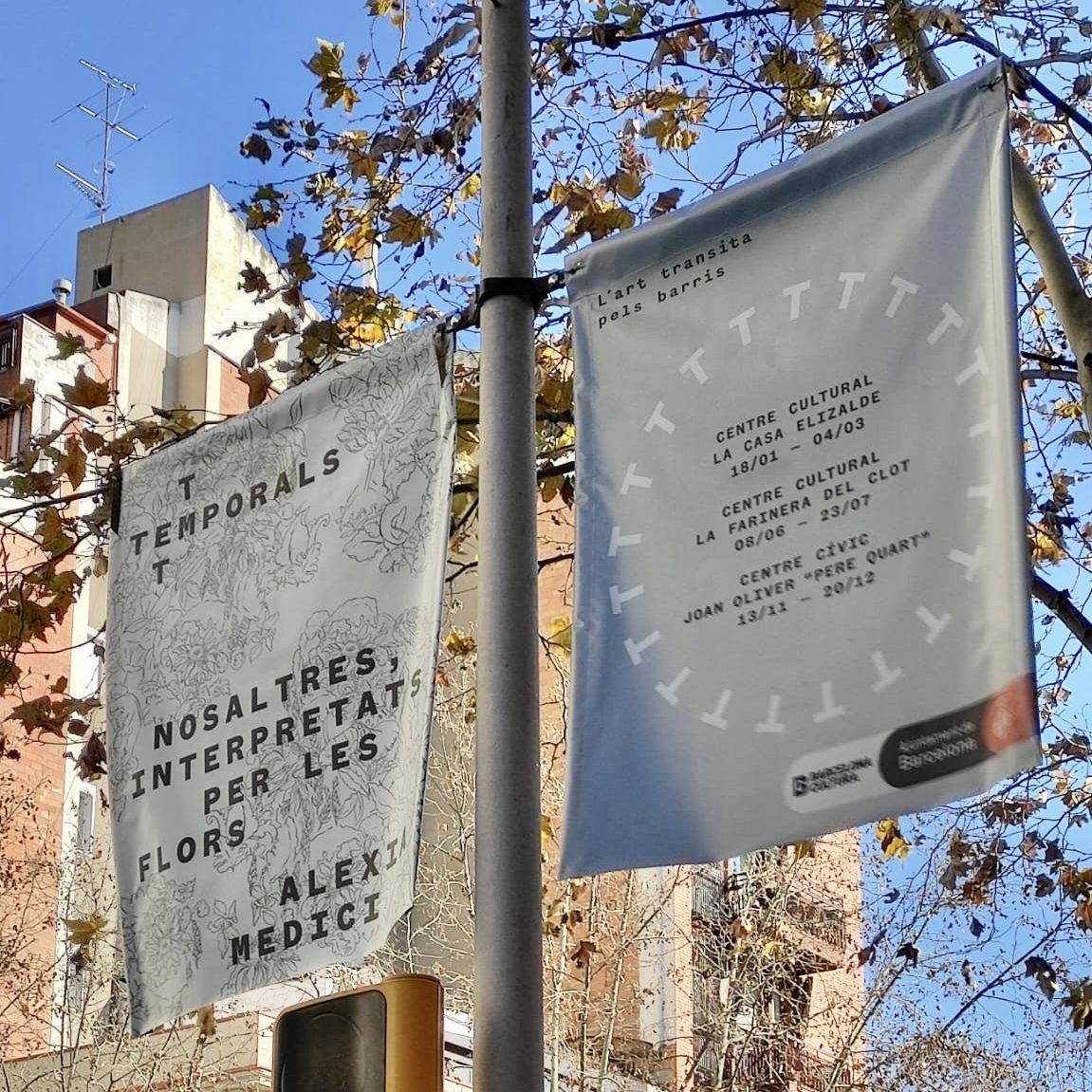
Developed in the aftermath of the pandemic and during the outbreak of the war in Ukraine, the project emerged from a broader reflection on fragility, communication, identity, and collective memory during periods of instability. Drawing from the historical language of floriography, flowers became both conceptual framework and research tool: symbolic systems through which emotional, political, and historical narratives could be interpreted across time.
Each exhibition began with an in-depth investigation into the history of its host site and surrounding neighbourhood. Industrial archives, local memory, architectural transformation, religious influence, and community histories became starting points through which contemporary artistic practices could establish new relationships between past and present.
Rather than treating history as fixed or linear, the project approached the exhibition space as a site of active reinterpretation — a place where historical narratives, material traces, and present-day concerns could coexist and generate alternative readings of identity, belonging, labour, gender, and social transformation.
The trilogy unfolded through three chapters:
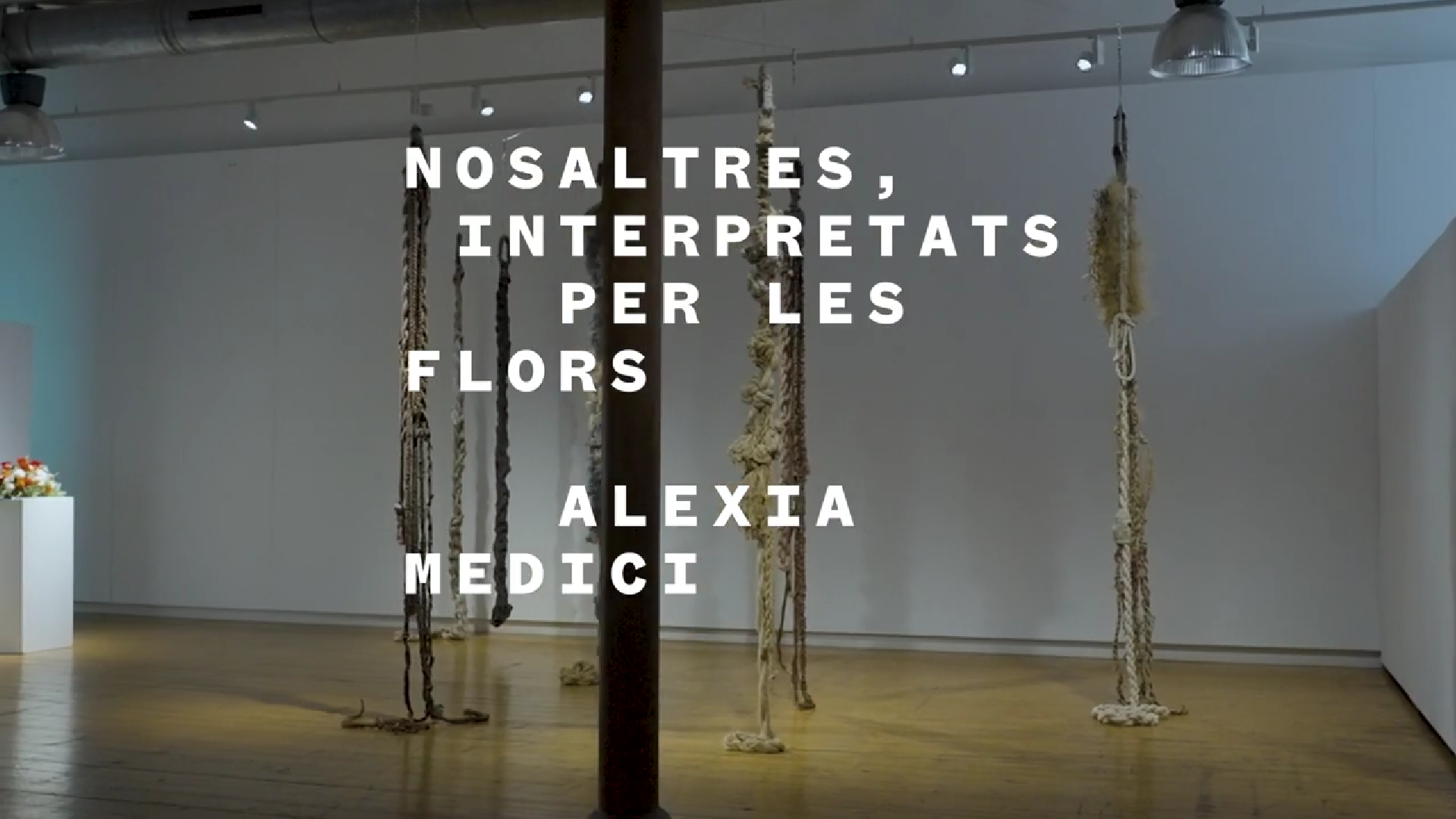
- Reproduction explored industrial modernity, motherhood, and technological progress through the history of the Elizalde family and the figure of Carme Biada
- Transformation examined the urban and psychological evolution of El Clot through material memory and industrial change
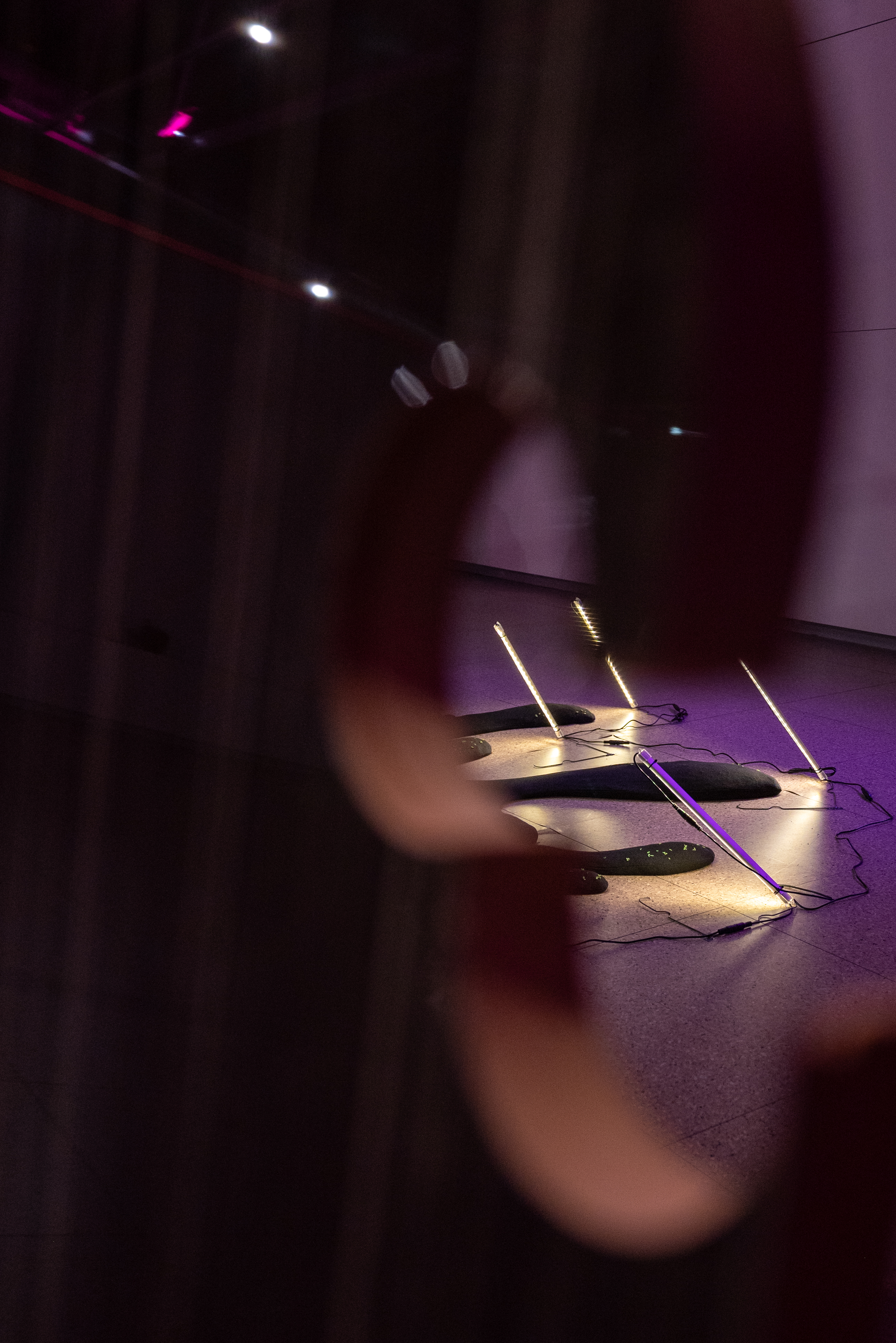
- and The Gap investigated systems of ideology, religion, temporality, and geopolitical fracture through speculative and symbolic forms of narration.
Across the project, curating functioned as a form of situated research, connecting site-specific histories with contemporary conditions in order to reveal the continuities, tensions, and unresolved questions that persist within the urban fabric.

